
English treats time like a line. Portuguese treats it like a texture.
Take 'já'. There's no clean English equivalent because 'já' is doing two jobs at once, urgency and completion, in a single word. You feel the difference between 'já vou' and 'já fui' before you can explain it, and that's exactly the point. It's not a translation problem. It's a different relationship with time itself.
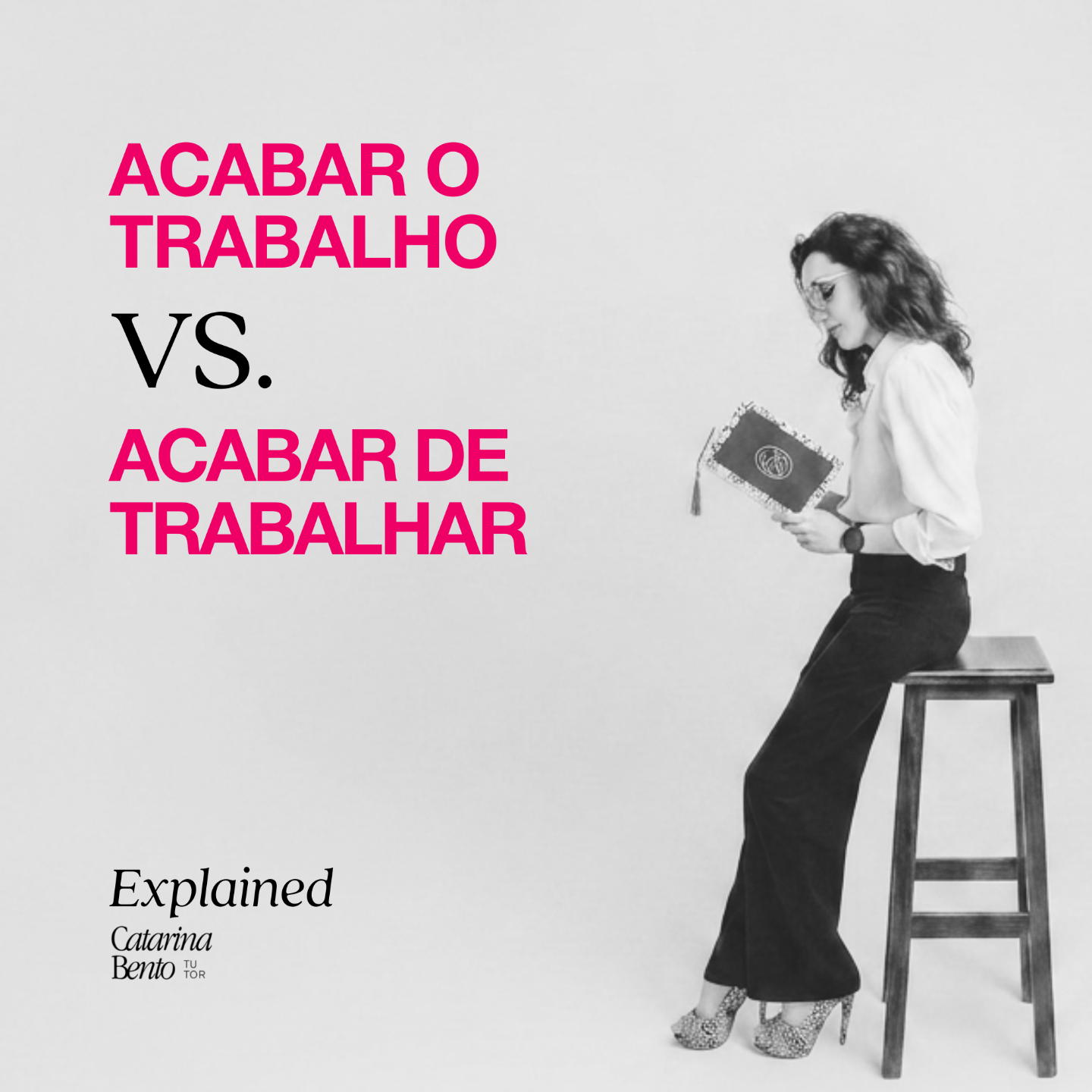
Same with imperfeito versus perfeito. Most courses teach this as 'past tense, but different,' as if it's a technicality. It's not. The imperfeito keeps a memory alive and unfinished, still humming in the background. The perfeito closes it, done, sealed, over. Choosing between them isn't grammar. It's deciding whether the memory is still breathing.
You can see this texture everywhere once you know to look. The unhurried Portuguese lunch, the one that runs for way too long and nobody apologizes for it, isn't a scheduling quirk. It's time-as-texture made visible, the same instinct that shapes the verbs.
This is Stage 3 of the Bento Box Method: verbs understood as concepts, not conjugation tables. It's not a shift you get from a chart. It's a shift you get from pattern immersion, which is exactly what the first week of Casa Portuguesa is built to give you.
Com café e caos,
Catarina Bento


Responses