
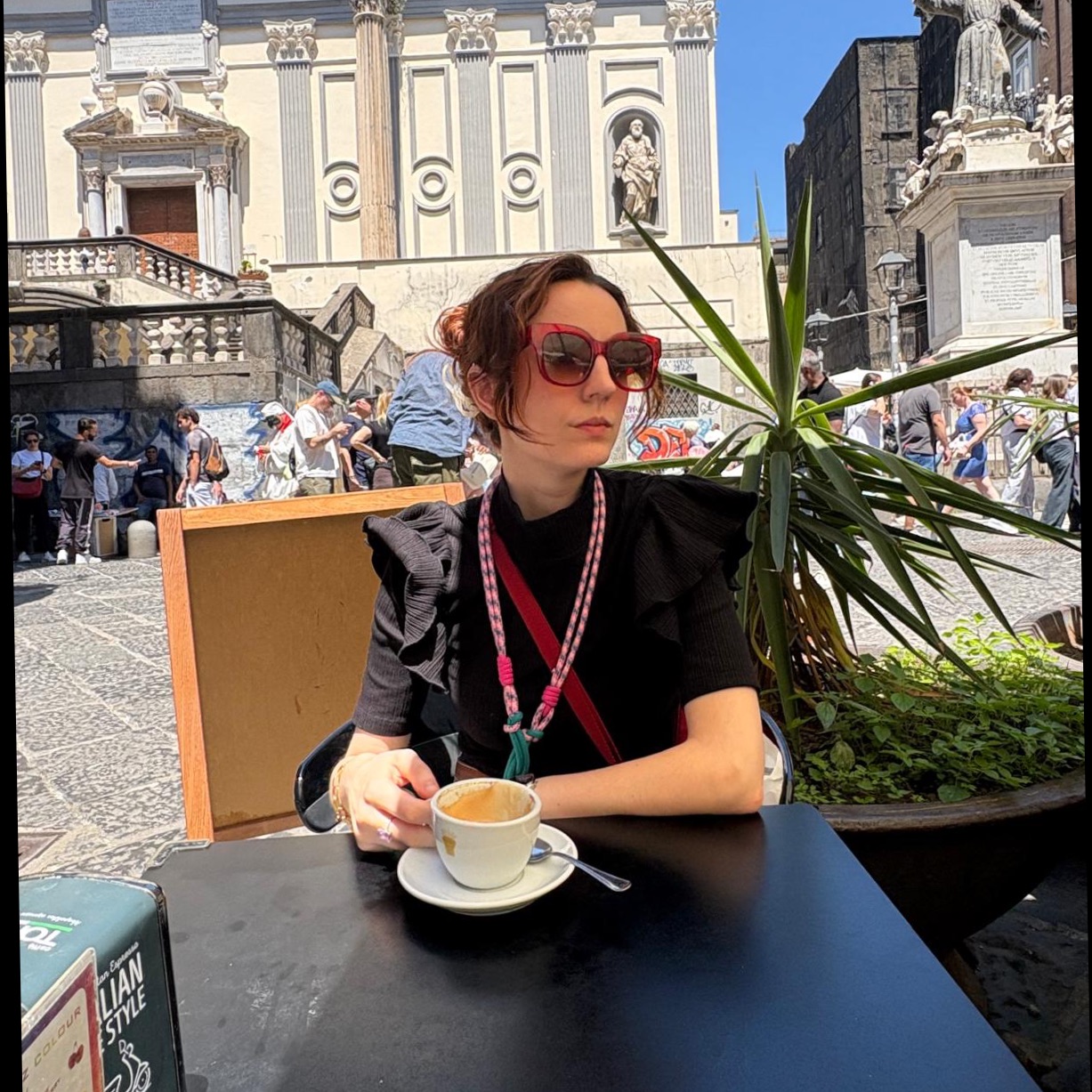
I'm Catarina. I was born in Lisbon, and I've never really left.
Not because I couldn't — but because Portugal keeps surprising me. The language, the food, the way people here say goodbye three times before actually leaving. There's always something I haven't noticed yet, and that's exactly what I teach.
I didn't start out as a language teacher.
Before this, I cooked professionally — including at the Four Seasons Lisbon. I ran operations at a centenary bakery in Porto. I worked in real estate, in legal translation, in NLP coaching. I've built things, broken things, started over.
What all of it gave me was a very specific skill: the ability to see patterns other people miss. In a kitchen, in a contract, in a conversation — and eventually, in a language.
That's the Bento Box Method. Not rules. Patterns. The structures underneath European Portuguese that nobody draws your attention to — until you see them, and then you can't unsee them.
What I actually teach
Real spoken European Portuguese. Not the textbook version. Not Brazilian Portuguese with a different accent. The language as it lives in Lisbon cafés, in family dinners, in the mouths of people who have never once thought about grammar.
My students learn to hear what natives actually say. To understand why the language sounds nothing like it's written. To stop translating in their heads and start thinking in Portuguese.
Casa Portuguesa is where we do the deep work.
It's a membership community for people who are serious about European Portuguese — not just passing an exam, but actually belonging somewhere. We cover grammar, culture, listening, vocabulary, and the beautiful chaos of being a foreigner falling in love with a very particular place.
If that sounds like you, you're already home.
Com café e caos, Catarina.
GET THE FREE MASTERCLASS
The sounds that don't exist in English — free pronunciation masterclass.
*No spam. No grammar drills. Just the real reason you've been stuck.
Epifania N1
Because learning European Portuguese was never going to be tidy. The language, the culture, the things nobody puts in a textbook. Written from Lisbon, with coffee and chaos.
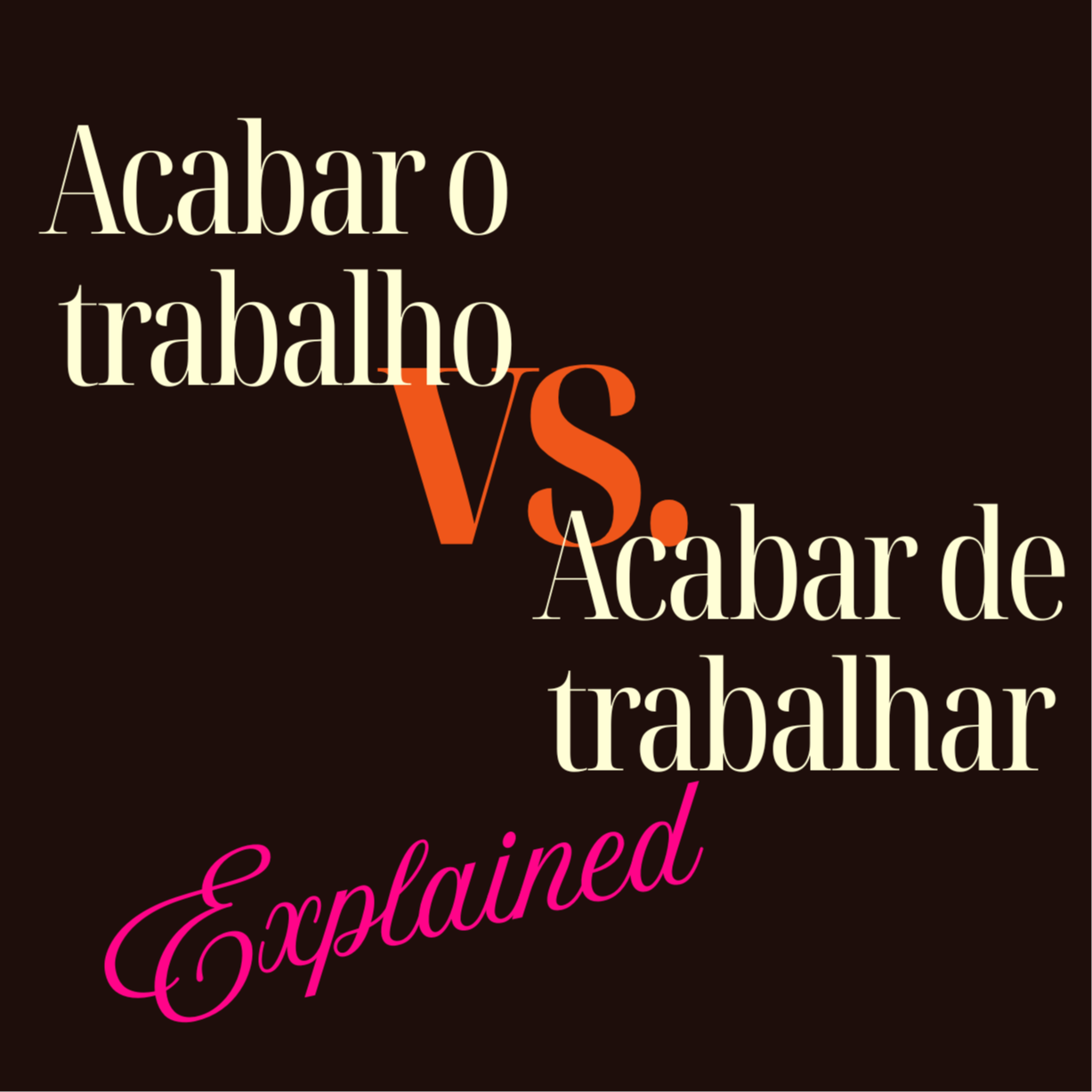
Acabar vs. Acabar de
Acabar and acabar de look identical — until they completely change what you're saying. Here's how to tell them apart.

Estar + a + Verb
Feeling lost on where to start with European Portuguese? This is Lesson 1. One formula, six verbs, and your first real sentences in EP.